
LED Light Therapy for healing, rejuvenation & pain management.
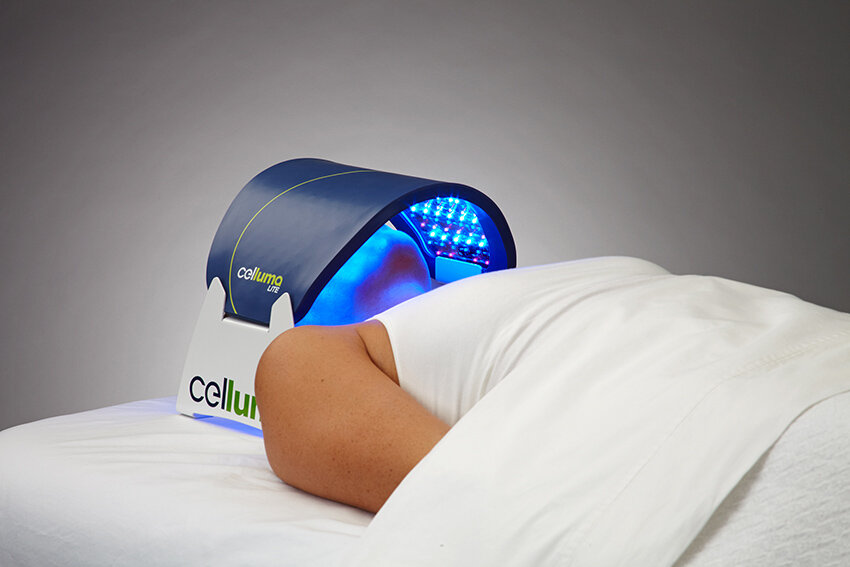
Celluma LED Light Therapy blue for Acne.
What is LED Light Therapy?
LED photobiomodulation is the newest category of non-thermal light therapies used in dermatology and aesthetic medicine today. It is also one of the oldest therapeutic modalities to be used to treat various health concerns and conditions. Artificial phototherapy was born out of the research done in 1903 by the Danish physician, Niels Ryberg Finsen (Roelands, 2005).
Photobiostimulation and photobiomodulation with LED and low level laser therapy (LLLT) is the response at the cellular level of the impact light has on our biology.
What are the therapeutic benefits of using LED Light Therapy?
The therapeutic effects of using a non-coherent light source on the skin has a multitude of positive effects including:
Wound healing
Collagen stimulation
Anti-inflammatory effects
Anti-bacterial effects
Pain relief
Drug delivery and activation (photodynamic therapy/PDT)
Melanin inhibition
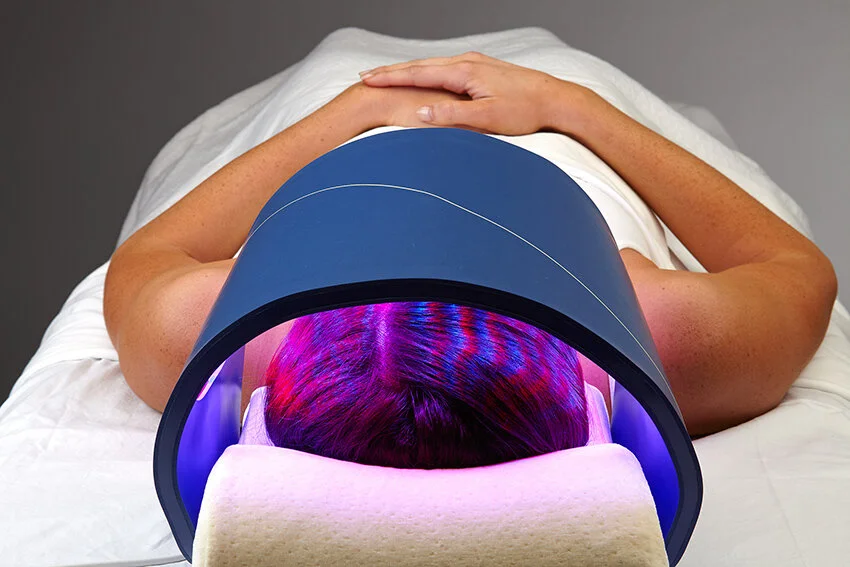
Celluma LED Light Therapy for collagen stimulation
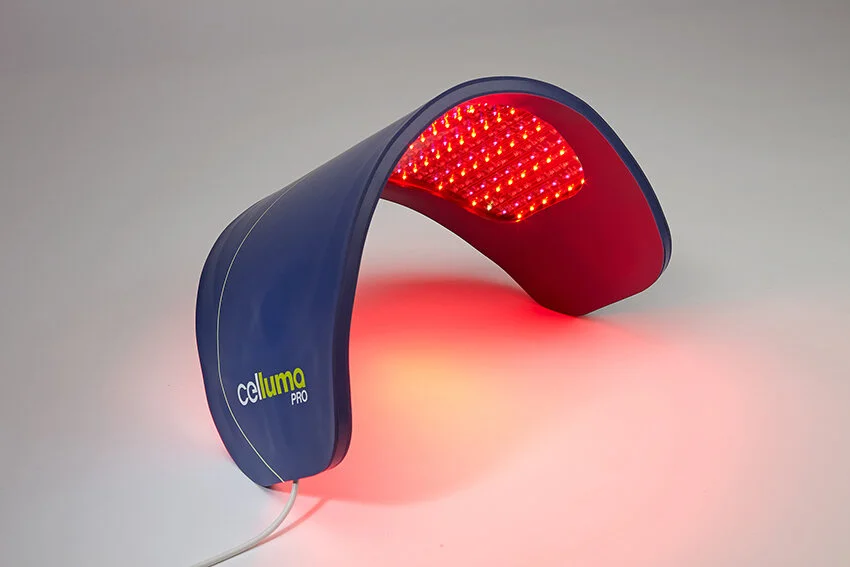
Celluma curved red LED Light Therapy red setting.
LED Light Therapy with The Dermal Health Alliance
The Dermal Health Alliance uses LED light therapy with most treatments or as a standalone treatment for many concerns. LED light therapy is suitable for all skin types and the majority of concerns.
Treatment options:
Stand alone treatment, add-on to any other treatment or package deals available
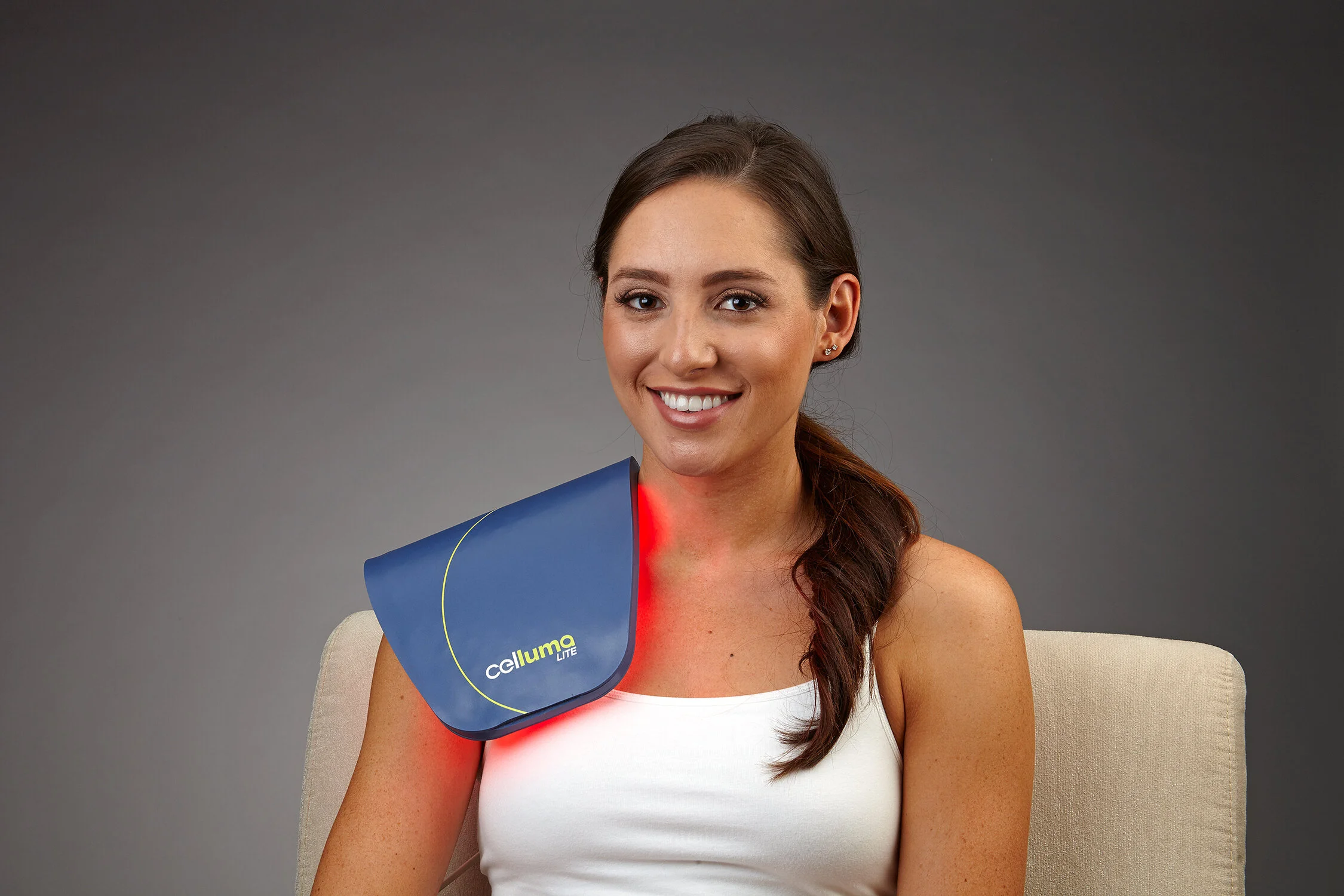
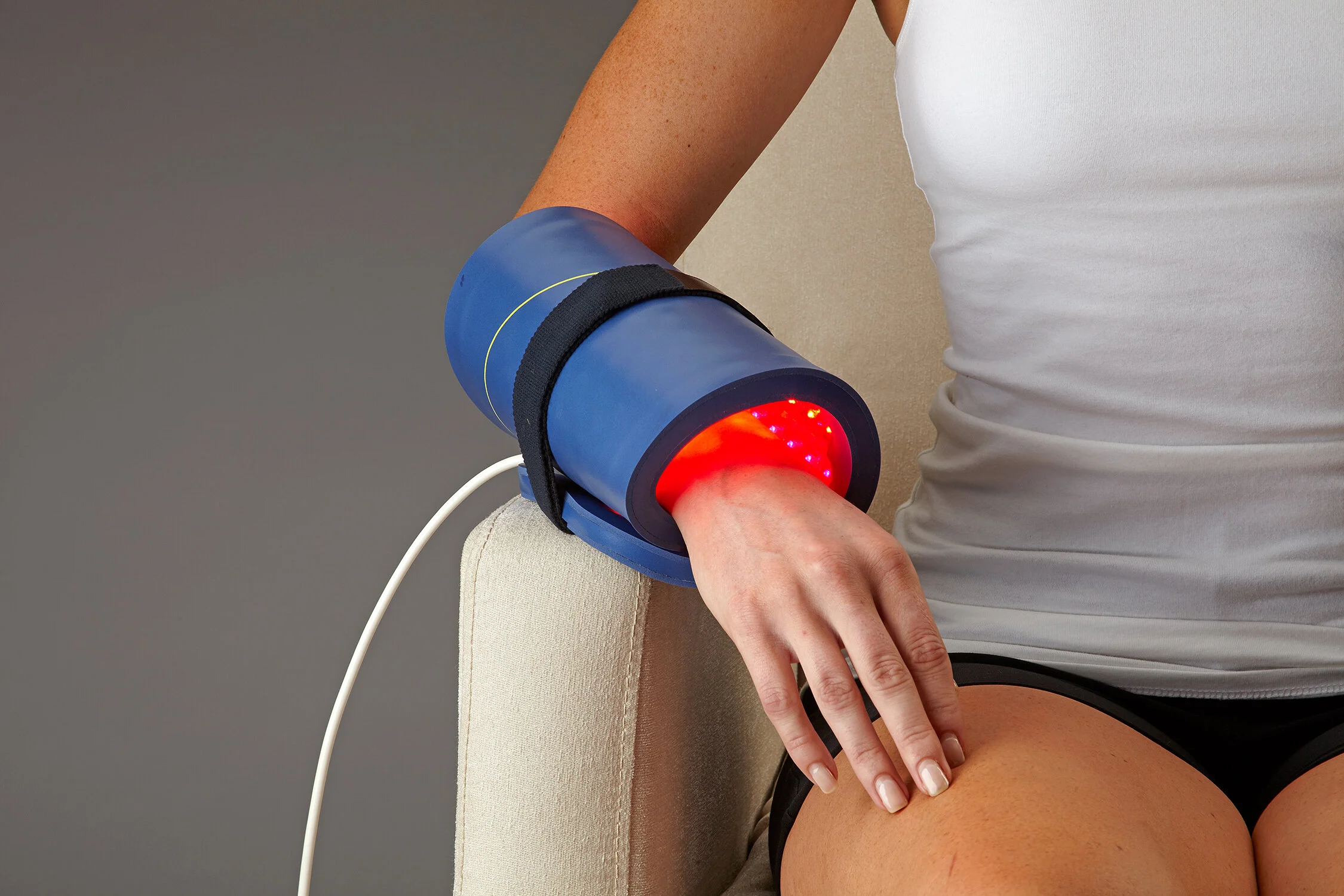
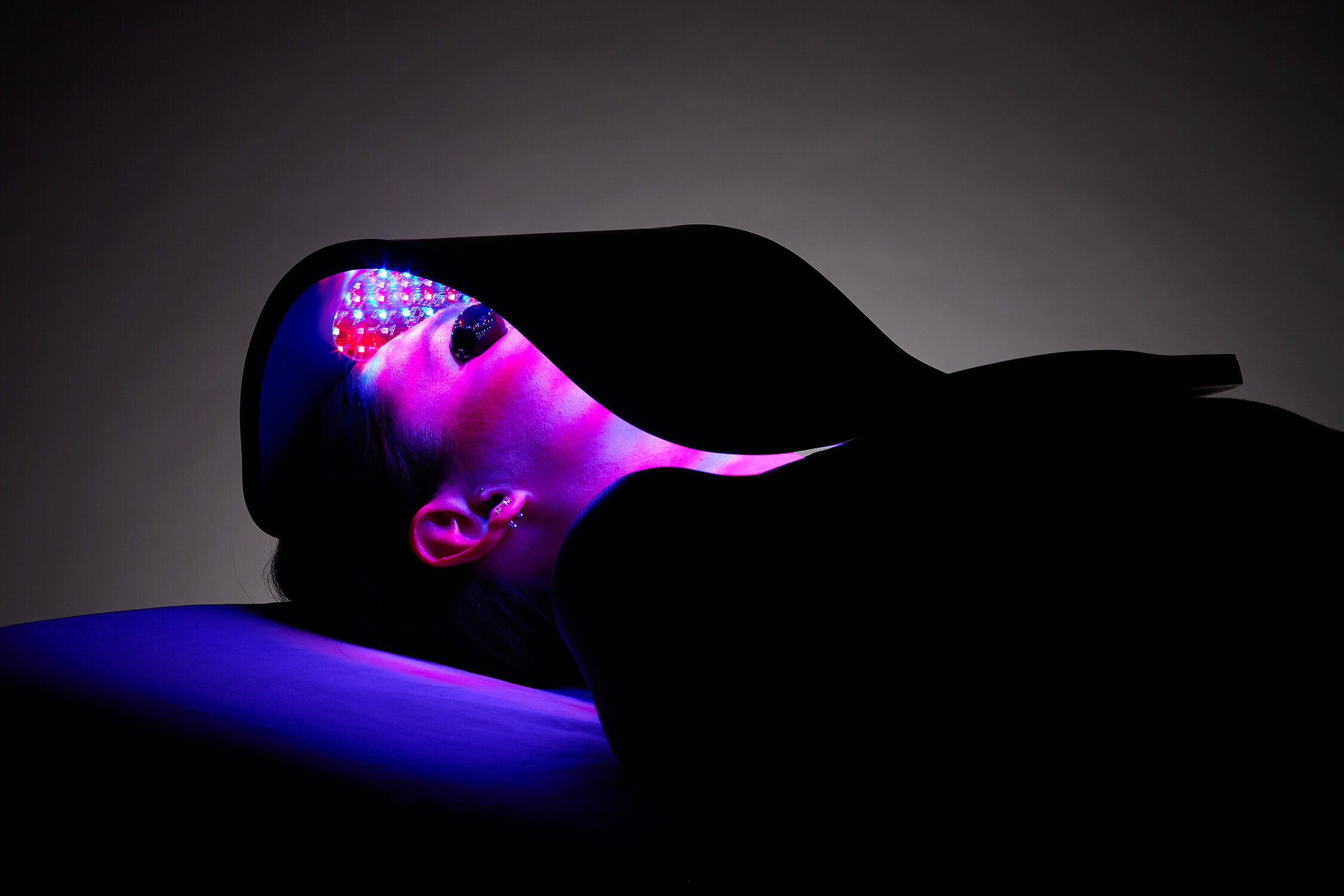
Did you know Port Macquarie/Hastings area locals can “hire” our LED for home use?
For the purposes of treating pain, wounds, chronic skin conditions like acne or for use post-treatment or general photo-rejuvenation, you can now rent the Celluma LED device on a weekly schedule.
The rental arrangement is flexible and can be adjusted for your specific needs.
A tele-health consultation needs to be scheduled to determine your suitability and treatment requirements. From there, we can tailor a package just for you.
What are the applications of LED Light Therapy?
Most of the research into phototherapy strongly supports three specific wavelengths for therapeutic intervention. Blue light (415nm), red light (633nm) and near infrared (NIR/830nm). Each wavelength has a specific target in the skin or “chromophore” which acts as a photoacceptor, such as porphyrins, flavins, cell membranes and mitochondria of the cells (Barolet, 2008). The absorption of light into these photoacceptors has a direct impact on the respiration of the cells and instigates a chain reaction from the enzyme, cytochrome c-oxidase. This reaction signals the exchange of oxygen and nitric oxide in the stimulation of cellular ATP synthesis which is responsible for cellular energy and normal metabolism (Singh et al., 2005).
The fibroblasts respond to the stimulation of extra ATP and collagen synthesis begins. Increased blood flow also occurs and modulation of cytokines and growth factors, inflammatory mediators and an increase in anti-apoptotic proteins have been noted from LED biomodulation (Hamblin & Demidova, 2006).
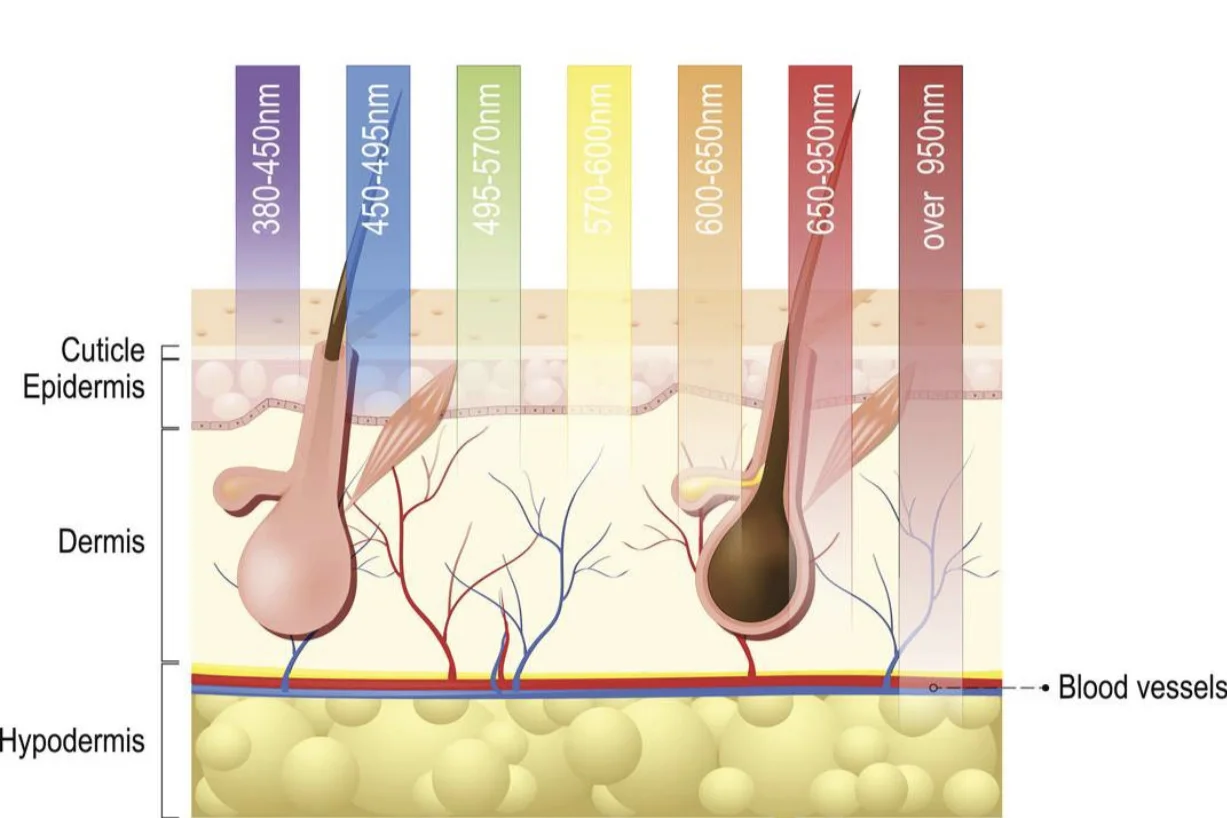
Diagram of LED Light Therapy on the surface of the skin.
Blue light 415nm
Anti-inflammatory
PDT
UV-free phototherapy
Acne (Barolet, 2008)
Red light 633nm
Anti-inflammatory
Wound healing
Stimulates collagen and elastin
Melanin inhibition (Taek Oh et al., 2016)
Pain relief
Reduces oedema/swelling
Great for inflammatory skin conditions: psoriasis, rosacea, erythema, lupus (Barolet, 2008)
Photorejuvenation and photoprotection
Prevents post-inflammatory hyperpigmentation (PIH) (Barolet, 2008)
Prevents scar formation (Lee et al., 2007) (Ablon, 2018)
NIR 830nm
Inhibits melanin production (Barolet, 2018)
Wound healing - stimulates granulation tissue production and wound closures
Photo-protection (before sun exposure) (Menezes et al., 1998)
Photorejuvenation (Barolet et al., 2017)
Stimulates collagen and elastin
How often should I receive LED Light Therapy?
There is strong evidence to suggest that LED therapy be included as often as possible in your dermal therapy treatments, and the dosage and the delivery of the light source is specific to the condition of the skin or the chromophore being targeted.
References +
Ablon, G. (2018). Phototherapy with light emitting diodes: Treating a broad range of medical and aesthetic conditions in dermatology. Journal of Clinical and Aesthetic Dermatology, 11(2), 21-27.
Barolet, D. (2008). Light-emitting diodes (LEDs) in dermatology. Seminars in Cutaneous Medicine and Surgery, 27, 227-238. doi:10.1016/j.sder.2008.08.003
Barolet, D., Christiaens, F., & Hamblin, M. R. (2016). Infrared and skin: Friend or foe. Journal of Photochemistry and Photobiology B: Biology, 155, 78-85. doi:10.1016/j.jphotobiol.2015.12.014
Chen, L., Xu, Z., Jiang, M., Zhang, C., Wang, X., & Xiang, L. (2018). Light-emitting diode 585 nm photomodulation inhibiting melanin synthesis and inducing autophagy in human melanocytes. Journal of Dermatological Science, 89(1), 11-18. doi:10.1016/j.jdermsci.2017.10.001
Hamblin, M. R., & Demidova, T. N. (2006). Mechanisms of low level light therapy. Mechanisms for Low-Light Therapy, 6140, 1-12. doi:10.1117/12.646294
Lee, S. Y., Park, K., Choi, J., Kwon, J., Lee, D. R., Shin, M. S., … Park, M. Y. (2007). A prospective, randomized, placebo-controlled, double-blinded, and split-face clinical study on LED phototherapy for skin rejuvenation: Clinical, profilometric, histologic, ultrastructural, and biochemical evaluations and comparison of three different treatment settings. Journal of Photochemistry and Photobiology B: Biology, 88(1), 51-67. doi:10.1016/j.jphotobiol.2007.04.008
Menezes, S., Coulomb, B., Lebreton, C., & Dubertret, L. (1998). Non-coherent near infrared radiation protects normal human dermal fibroblasts from solar ultraviolet toxicity. Journal of Investigative Dermatology, 111(4), 629-633. doi:10.1046/j.1523-1747.1998.00338.x
Roelandts, R. (2005). A new light on Niels Finsen, a century after his nobel prize. Photodermatology, Photoimmunology and Photomedicine, 21(3), 115-117. doi:10.1111/j.1600-0781.2005.00160.x
Singh, K. K., Kulawiec, M., Still, I., Desouki, M. M., Geradts, J., & Matsui, S. (2005). Inter-genomic cross talk between mitochondria and the nucleus plays an important role in tumorigenesis. Gene, 18, 140-146. doi:10.1016/j.gene.2005.03.027